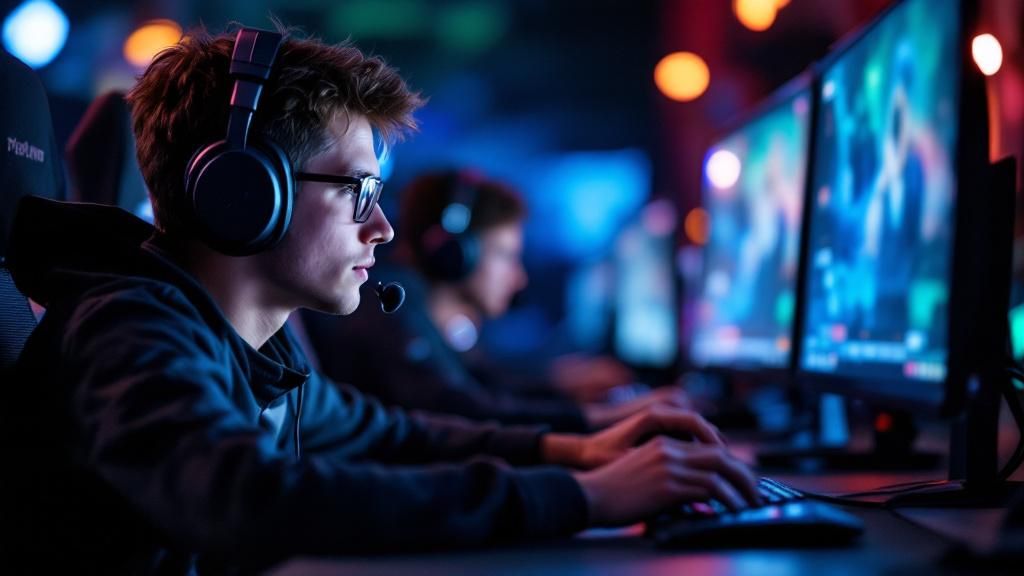
The dynamic esports industry has seen a remarkable transformation, with professional teams now prioritising mental health support as never before. Once viewed as mere entertainment, esports has evolved into a demanding profession where players contend with intense scrutiny, demanding timetables, and considerable psychological demands. Recognising these challenges, leading organisations are committing significant resources in comprehensive mental health services, including sports psychologists, mental health counselling, and wellness initiatives. This article examines how the esports sector is transforming its approach to player wellbeing and why mental health has become as important as physical training.
The Growing Importance of Psychological Wellbeing in Professional Esports
Professional esports has developed into a demanding industry where psychological strength is as critical as technical skill. Players navigate considerable pressure, including intense competition, global audiences, and relentless media scrutiny. The mental burden of sustaining peak performance whilst handling expectations has led leading organisations to acknowledge that psychological wellbeing directly impacts competitive outcomes. Consequently, progressive teams now regard psychological support as integral to their organisational structure, rather than an optional extra.
The move towards prioritising mental wellbeing demonstrates wider sector recognition that burnout, anxiety, and depression significantly affect player performance and longevity. Many professional gamers face inconsistent sleep schedules, social isolation, and competition-induced pressure that traditional training regimens cannot resolve. By implementing integrated wellbeing frameworks, organisations display commitment to long-term player development. This proactive approach not only enhances individual player welfare but also strengthens team cohesion and competitive performance across the esports landscape.
Contemporary esports teams employ diverse mental health experts, such as sports psychologists, accredited mental health therapists, and health and wellness coordinators. These specialists collaborate closely to create tailored support approaches matched to individual player needs. Through stress management techniques and cognitive behavioural interventions, comprehensive programmes address the unique psychological challenges central to professional gaming. This investment signals that leading organisations understand mental health as integral to championship success.
The normalisation of conversations about psychological wellbeing within esports communities has markedly decreased the associated stigma. Players increasingly acknowledge mental health difficulties without concern about career consequences. This change in attitudes encourages proactive help-seeking behaviour, allowing organisations to recognise and manage wellbeing challenges before they escalate. By establishing cultures in which wellbeing dialogue is standard practice, organisations cultivate stronger, more resilient rosters able to preserve competitive standards throughout rigorous competitive periods.
Training schemes enhancing clinical support bolster mental health frameworks throughout professional esports. Teams run workshops tackling sleep quality improvement, the psychological effects of nutrition, and mindfulness-based approaches. Players are trained in managing emotions and resilience to stress, providing them practical tools for coping with competitive stress. These preventative measures lower requirement for emergency intervention whilst promoting long-term mental wellbeing during athletes’ careers.
Spending on mental health infrastructure represents substantial monetary investment from organisations, yet generates considerable gains through better retention of players, enhanced performance, and decreased medical expenditures. Teams recognising this connection achieve competitive edge whilst establishing sector benchmarks. As mental health support grows more common professional esports, organisations neglecting to prioritise player psychological wellbeing risk losing talent to competing teams with extensive support systems. This progression reflects esports’ growth as a recognised professional industry.
Comprehensive Mental Health Programmes and Support Structures
Professional esports organisations have established comprehensive psychological support systems that surpass conventional health programmes. These comprehensive programmes incorporate mental health services, stress management techniques, and colleague support networks created for competitive gaming environments. By establishing dedicated mental health departments and partnering with expert organisations, teams guarantee athletes get customised support tackling burnout, competitive stress, and loneliness. This holistic approach acknowledges that sustainable competitive success necessitates managing mental and emotional health in addition to fitness training and strategic training.
Expert Counselling and Mental Health Services
Leading esports organisations now have full-time sports psychologists and accredited counsellors who appreciate the distinct challenges of professional esports. These experts collaborate closely with players to develop coping strategies, manage performance anxiety, and tackle underlying psychological issues. Frequent one-on-one meetings offer private environments where athletes can discuss personal challenges, occupational stress, and emotional difficulties without concern about evaluation or professional repercussions. This tailored method has played a key role in enhancing player retention and overall team cohesion.
The incorporation of professional counselling services constitutes a notable shift in how esports organisations approach player wellbeing. By removing stigma surrounding mental health discussions, teams encourage active help-seeking conduct rather than crisis management. Psychologists partner with coaching teams to detect preliminary warning signals of exhaustion or psychological strain, enabling timely intervention. Furthermore, these services cover relationship difficulties, family matters, and career transition planning, acknowledging that players’ lives go beyond competitive gaming.
- Personalised therapy sessions tackling performance anxiety and stress relief
- Acute crisis protocols for urgent mental health situations and urgent support
- Cognitive-behavioural therapy techniques tailored to esports competitive demands
- Family support services enhancing player relationships and family circumstances
- Post-competitive planning supporting players with professional growth pathways
Organisations report notable gains in player contentment and mental wellbeing following the implementation of dedicated psychological services. Teams leveraging these provisions exhibit decreased player departures, more consistent results, and improved group relationships. The commitment to supporting qualified mental health professionals has emerged as best practice among leading institutions, demonstrating the industry’s commitment to long-term athlete progression. This shift underscores wider understanding that championship-winning teams demand psychologically resilient, supported athletes.
Measuring Performance and Forthcoming Developments
Assessing Mental Health Progress
Professional esports companies are increasingly establishing comprehensive metrics to evaluate the success of their mental health initiatives. Teams record player engagement rates, uptake of counselling services, and performance improvements alongside mental health evaluations. Initial findings demonstrates significant correlations between comprehensive psychological support and improved competitive results, lower burnout rates, and improved team cohesion. Forward-thinking organisations acknowledge that investing in mental wellbeing directly translates to competitive advantages and sustainable player development.
Measuring success transcends traditional statistics. Organisations carry out periodic surveys evaluating player satisfaction with mental health services, stress levels, and overall quality of life. Many teams now utilise specialist mental health coordinators who analyse trends and modify assistance initiatives accordingly. This information-focused strategy permits teams to demonstrate tangible returns on investment, justifying continued funding for psychological services. Progressive esports companies view mental health metrics as equally important as traditional performance indicators.
Sector-Wide Standards and Regulation
The esports industry is progressing towards establishing consistent psychological support frameworks across professional leagues and bodies. Several regional governing bodies have started introducing required mental health provisions, confirming all teams deliver sufficient mental health support. These measures represent a substantial shift in approach, accepting that player welfare is fundamental to the sport’s credibility and longevity. Standardisation ensures responsibility and ensures consistent quality of care regardless of team resources or geographical location.
Compliance standards are evolving to protect player mental health comprehensively. Professional leagues now mandate teams to employ trained wellbeing experts, perform ongoing psychological reviews, and establish secure help services. These provisions help reduce negative perceptions of wellbeing dialogue within professional settings. As esports matures institutionally, mental health provisions are evolving into mandatory contractual requirements rather than optional enhancements.
Long-Term Vision and Sustainability
Leading esports organisations are creating comprehensive psychological support frameworks extending beyond single-player assistance to systemic industry change. Funding for collaborative research with universities aims to enhance comprehension of esports-specific psychological challenges and develop evidence-based interventions. Teams are creating mentoring initiatives linking active athletes with former competitors who can provide perspective on sustained professional development and career progression beyond active play. This comprehensive approach ensures sustainable mental health infrastructure for future generations.
The trajectory of professional esports depends significantly on normalising psychological dialogue and incorporating psychological support across all stages of a player’s career. Organisations are becoming notably candid about wellbeing struggles, publicly celebrating players who pursue professional help and showing that psychological fitness improves rather than harms competitive performance. As esports expands worldwide, this focus on player mental fitness will almost certainly develop into a defining characteristic of truly professional organisations, consequently bolstering the entire esports community.
